Voice-activated technology is rapidly transforming how we interact with devices in our daily lives. From smart speakers and virtual assistants like Siri, Alexa, and Google Assistant to voice-controlled appliances and automobiles, this technology offers hands-free convenience and seamless control. By using natural language processing (NLP) and artificial intelligence (AI), voice recognition systems understand and respond to commands, making tasks like setting reminders, controlling smart home devices, or even making purchases effortless. Businesses are also leveraging voice technology to enhance customer service through interactive voice response (IVR) systems and personalized virtual assistants. As advancements continue, voice-activated technology is becoming smarter, faster, and more intuitive, creating new opportunities across industries. In this blog, we’ll explore its applications, benefits, emerging trends, and the impact it has on simplifying modern life.
Introduction
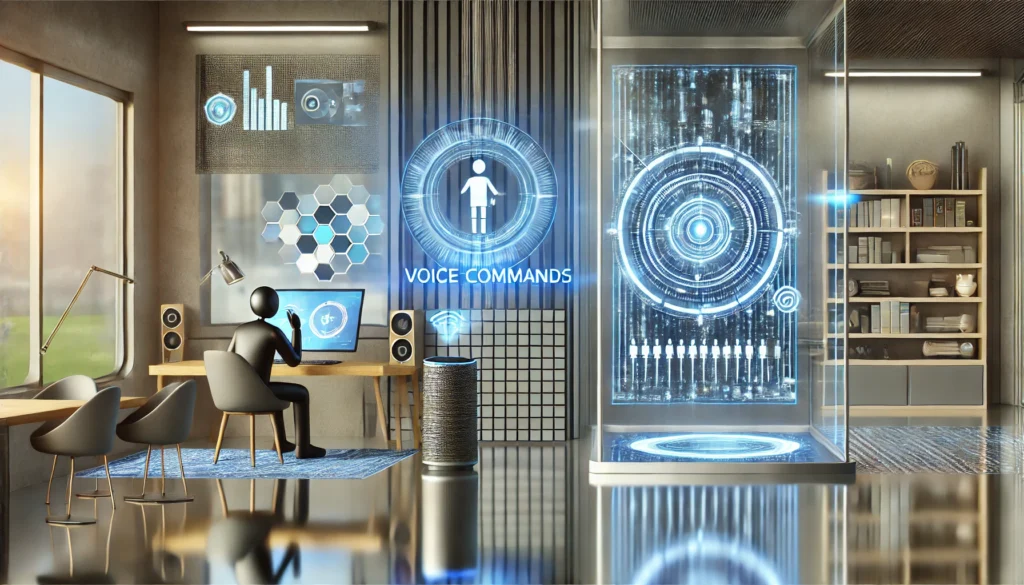
Voice-activated technology has rapidly become an essential part of modern life, seamlessly integrating into smart homes, mobile devices, and even workplaces. From virtual assistants like Amazon’s Alexa and Apple’s Siri to voice-enabled smart TVs and cars, the evolution of voice technology has revolutionized how we interact with devices. This blog will explore the growth of voice-activated technology, analyze key statistics, and present real-world applications across various sectors.
The Growth of Voice-Activated Technology
Voice-activated technology has experienced exponential growth in recent years, driven by advancements in artificial intelligence (AI) and natural language processing (NLP). According to Statista, the global voice recognition market size was valued at $12.2 billion in 2022 and is projected to grow at a CAGR of 15.9% from 2023 to 2030.
Key Statistics:
- Smart Speakers Adoption: Over 55% of U.S. households are expected to own a smart speaker by 2025 (eMarketer).
- Voice Search Popularity: 71% of consumers prefer conducting searches via voice assistants rather than typing (PwC).
- E-commerce Growth: Voice shopping is projected to hit $40 billion in the U.S. alone by 2024 (OC&C Strategy Consultants).
- Global Voice AI Assistants: There will be around 8.4 billion voice assistants in use by 2024, surpassing the global population (Juniper Research).
Real-World Applications of Voice-Activated Technology
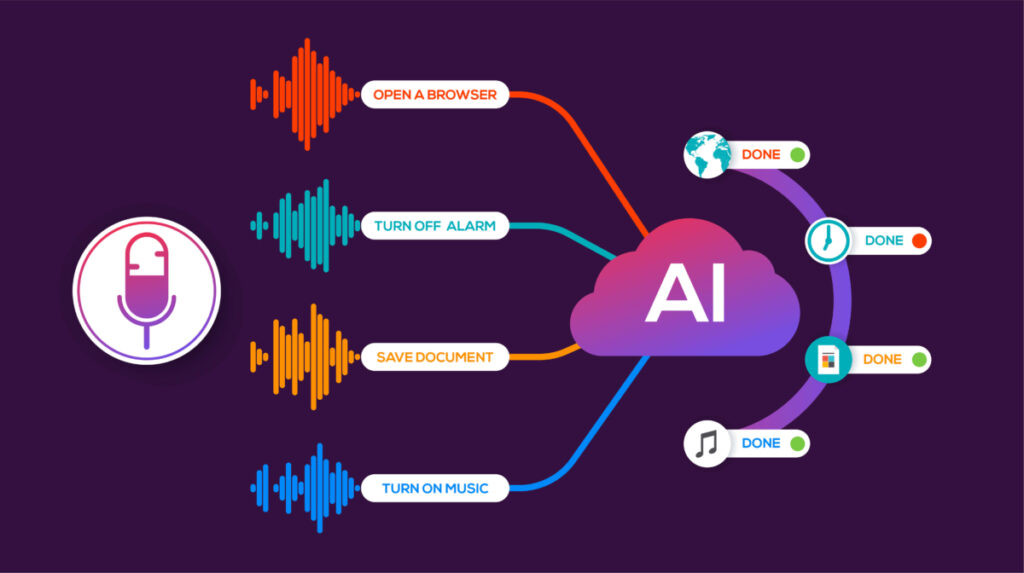
Voice-activated technology has expanded across multiple industries, offering convenience and efficiency. Here are some notable applications:
1. Smart Homes
- Amazon Alexa and Google Assistant dominate the smart home market, allowing users to control lights, thermostats, and appliances using voice commands.
- Samsung SmartThings and Apple HomeKit integrate with various IoT devices for seamless automation.
- Example: A user can say, “Hey Google, dim the living room lights to 50%,” for instant lighting control.
2. Healthcare
- Voice AI assists doctors with transcription, diagnostics, and hands-free data retrieval.
- Suki AI provides voice-powered medical documentation, reducing administrative workload.
- Example: Physicians can dictate patient notes using voice commands, improving productivity and reducing burnout.
3. Automotive Industry
- Cars equipped with voice assistants like Apple CarPlay and Android Auto provide hands-free navigation and control.
- Mercedes-Benz MBUX uses natural voice recognition for in-car communication.
- Example: Drivers can say, “Navigate to the nearest gas station,” without taking their hands off the wheel.
4. Retail and E-commerce
- Voice search enhances the shopping experience with personalized recommendations.
- Walmart Voice Order and Amazon Alexa allow users to add items to their shopping lists or reorder products.
- Example: A customer can say, “Alexa, reorder my previous coffee order,” for seamless grocery shopping.
5. Customer Support
- Voice-enabled virtual assistants handle customer queries, reducing call wait times.
- IBM Watson Assistant and Google Dialogflow provide conversational AI for customer service.
- Example: A bank uses AI-powered voice bots to assist customers with balance inquiries and transaction history.
Challenges and Future Outlook
While voice-activated technology has transformed industries, it faces challenges such as:
- Privacy and Security: Voice data can be vulnerable to breaches and misuse.
- Accuracy and Context Understanding: AI may struggle with understanding regional accents and context.
- Integration Limitations: Not all devices and platforms are compatible with voice assistants.
Despite these challenges, the future of voice technology looks promising. Innovations in AI algorithms, multilingual support, and context-aware systems will drive further growth. Additionally, voice biometrics will enhance security, ensuring safer and more personalized experiences.
Conclusion
Voice-activated technology has redefined human-computer interaction, making devices smarter and more intuitive. From managing smart homes to enhancing customer experiences, voice AI is a game-changer across sectors. As advancements continue, we can expect even more seamless, efficient, and accessible voice-enabled solutions.
For businesses and consumers alike, embracing voice technology is no longer a luxury but a necessity in a rapidly evolving digital landscape. The era of voice-first interactions has arrived, and it is here to stay.